🎉 Up to 70% Off Selected ItemsShop Sale
HomeStore
160mm Disc Brake Rotor Stainless Steel Bike Disc Brake Rotor with 6 Bolts - ForRoad Bike Mountain Bike MTB BMX
160mm Disc Brake Rotor Stainless Steel Bike Disc Brake Rotor with 6 Bolts - ForRoad Bike Mountain Bike MTB BMX
160mm Stainless Steel Disc Brake Rotor (6-Bolt)
Key Features
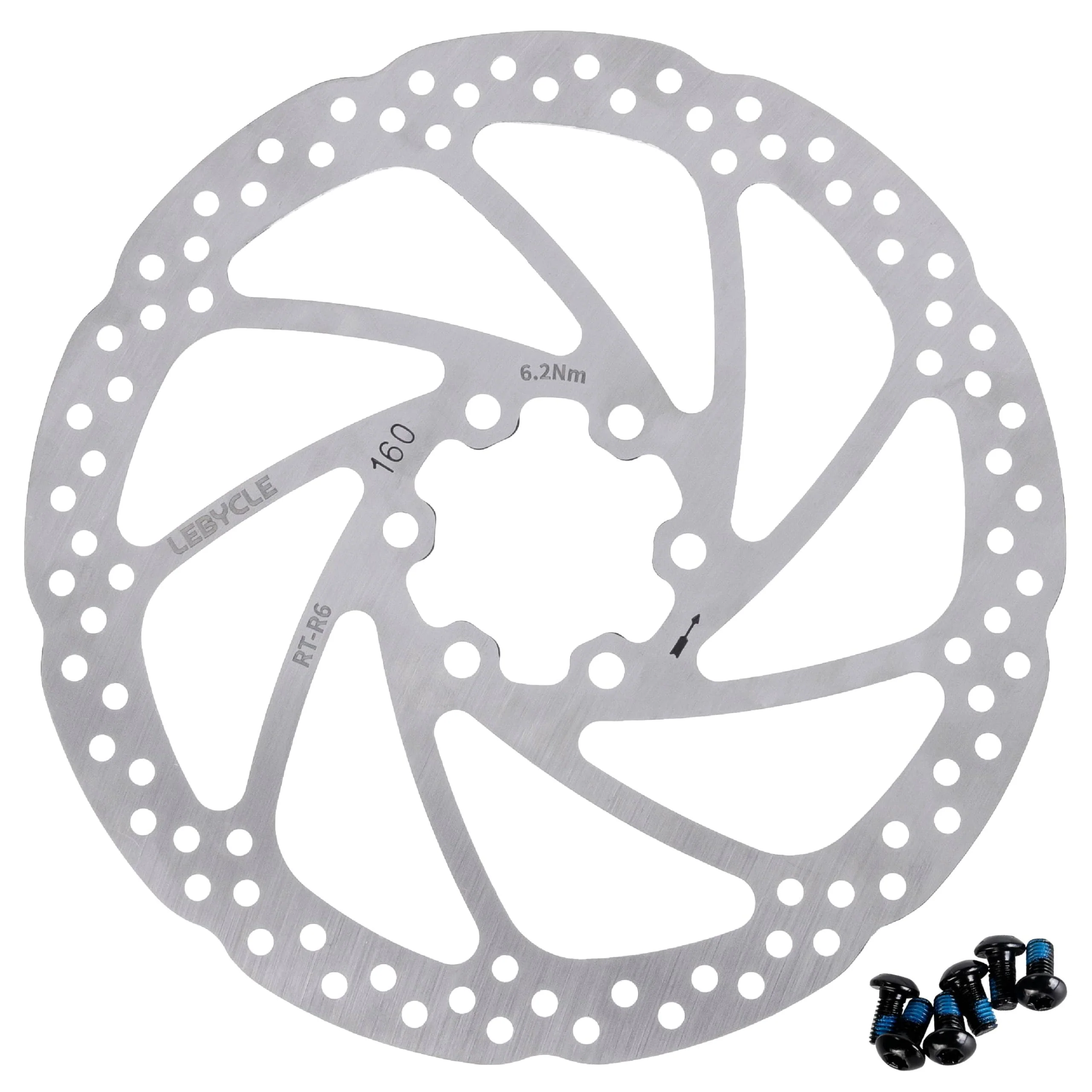
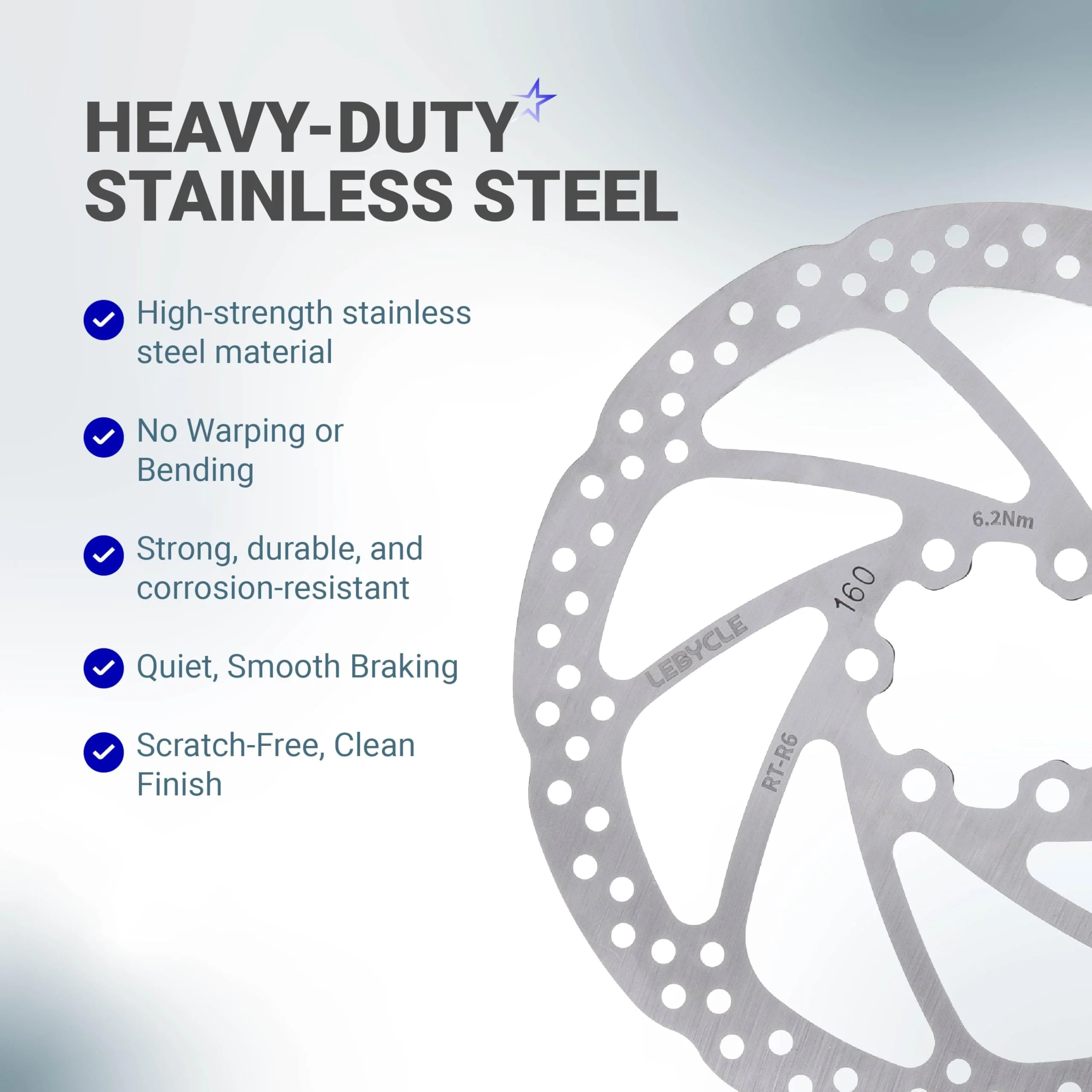
- High-Grade SUS410 Stainless Steel: Manufactured from premium heat-treated stainless steel for excellent anti-corrosion properties and high-strength durability under heavy braking.
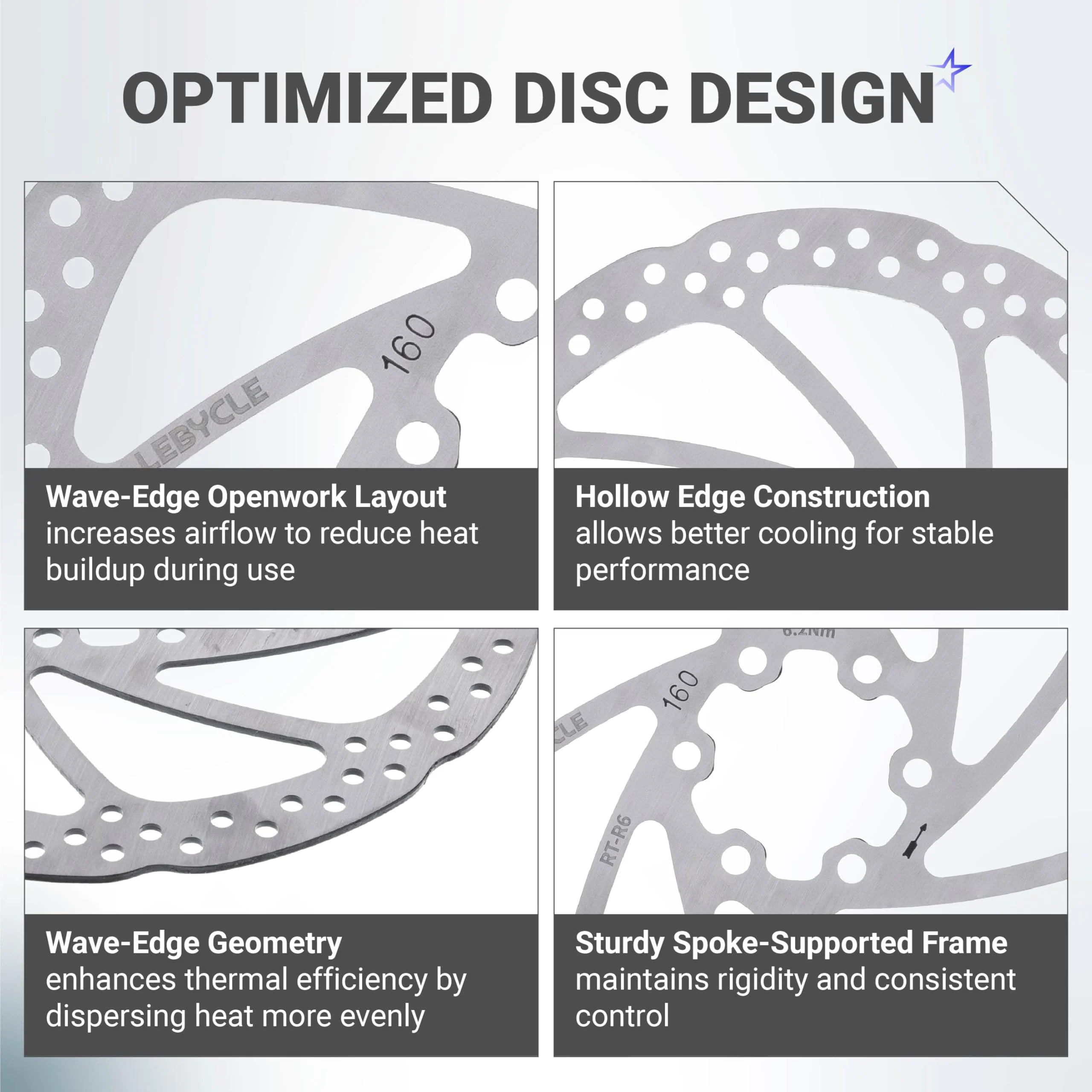
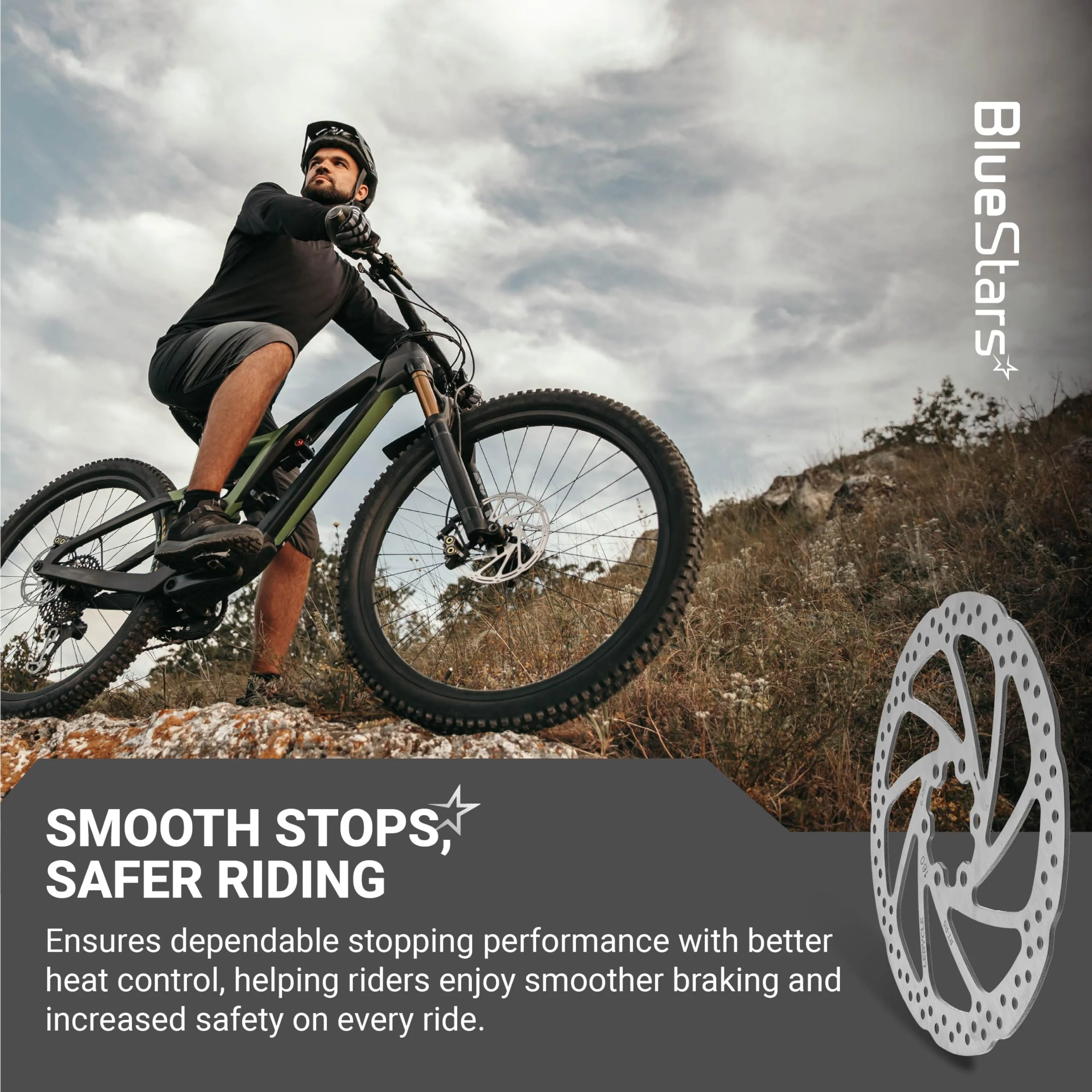
- Advanced Heat Dissipation: Features a specialized "skeleton" or ventilated pattern that increases surface area to quickly dissipate heat, preventing "brake fade" on long descents.
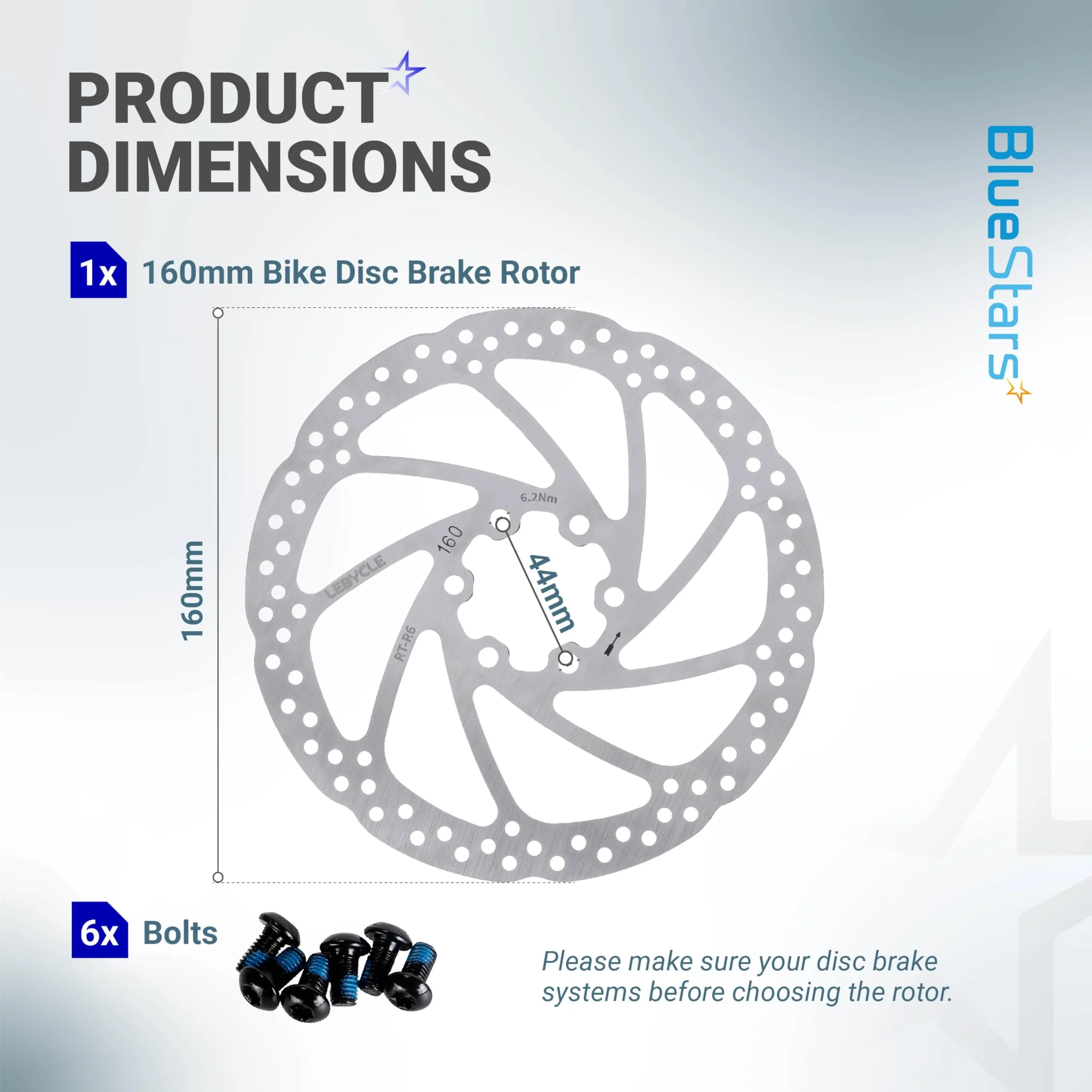
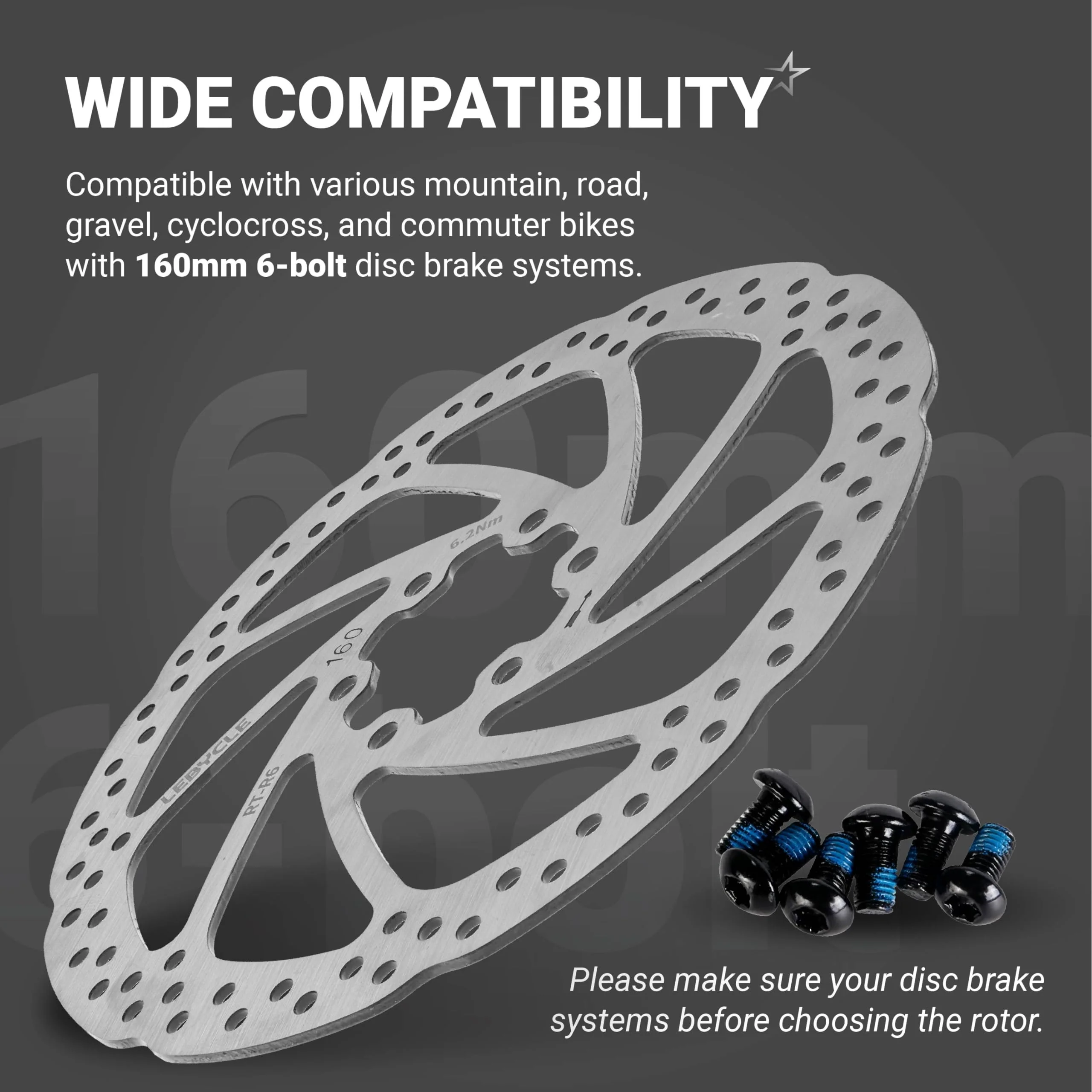
- Universal 6-Bolt Mounting: Engineered with a standard 44mm bolt circle diameter (BCD), making it compatible with the vast majority of mountain bike and road bike disc hubs.
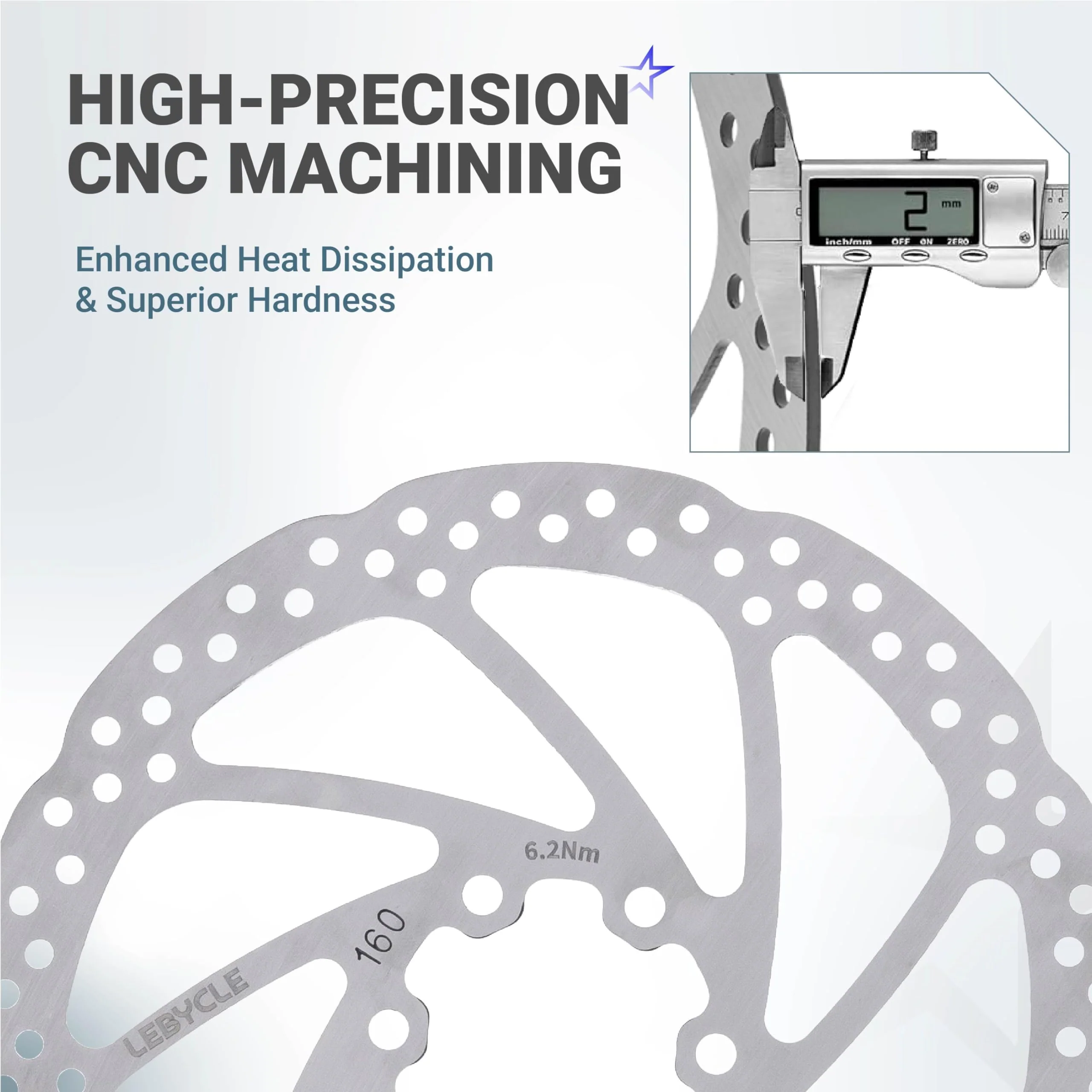
- Precision Ground Surface: The friction surface is double-sided ground to a mirror-like finish to ensure immediate pad engagement, reduced noise, and a shorter "bed-in" period.
- Lightweight Wave Design: The outer wave edge helps shed mud, water, and debris quickly while reducing the overall rotating mass of the wheel.
Replaces / Cross-Reference Part Numbers
- Standard 160mm 6-Bolt Rotor
- SM-RT56 / SM-RT26 Equivalent
- Tektro / Avid 160mm Replacement
- ISO 6-Hole Disc Brake Plate
Compatibility & Fitment
This rotor is a universal component compatible with most modern disc-brake-equipped bicycles. Key fitment details include:
- Bicycle Types: Mountain Bikes (MTB), Road Bikes, BMX, Gravel Bikes, and Electric Bikes (E-Bikes).
- Hub Compatibility: Fits all standard 6-bolt hubs. (Note: Not compatible with Shimano "Centerlock" hubs without an adapter).
- Brake Systems: Compatible with both Mechanical (cable) and Hydraulic disc brake calipers.
- Pad Compatibility: Works with Resin (Organic), Semi-Metallic, and Sintered (Metal) brake pads.
When to Replace
- Minimum Thickness Reached: Most rotors have a "Min. TH" (often 1.5mm) stamped on them. If the rotor is thinner than this, it is at risk of structural failure.
- Warping or Wobble: The rotor is physically bent and rubs against the brake pads during every wheel rotation, causing a "pinging" sound.
- Deep Scoring: Visible deep grooves or "lips" on the friction surface caused by worn-out brake pads (metal-on-metal contact).
- Discoloration: A dark purple or blue "burnt" tint on the metal, indicating the rotor has been severely overheated and has lost its tempering.
- Persistent Squealing: If cleaning the rotor with alcohol doesn't stop the noise, the metal may be glazed or contaminated with oil.
Installation Tips
- Clean the Surface: Before installation, wipe the entire rotor with 70% or higher Isopropyl Alcohol to remove the factory protective oil film. Do not touch the friction surface with bare fingers after cleaning.
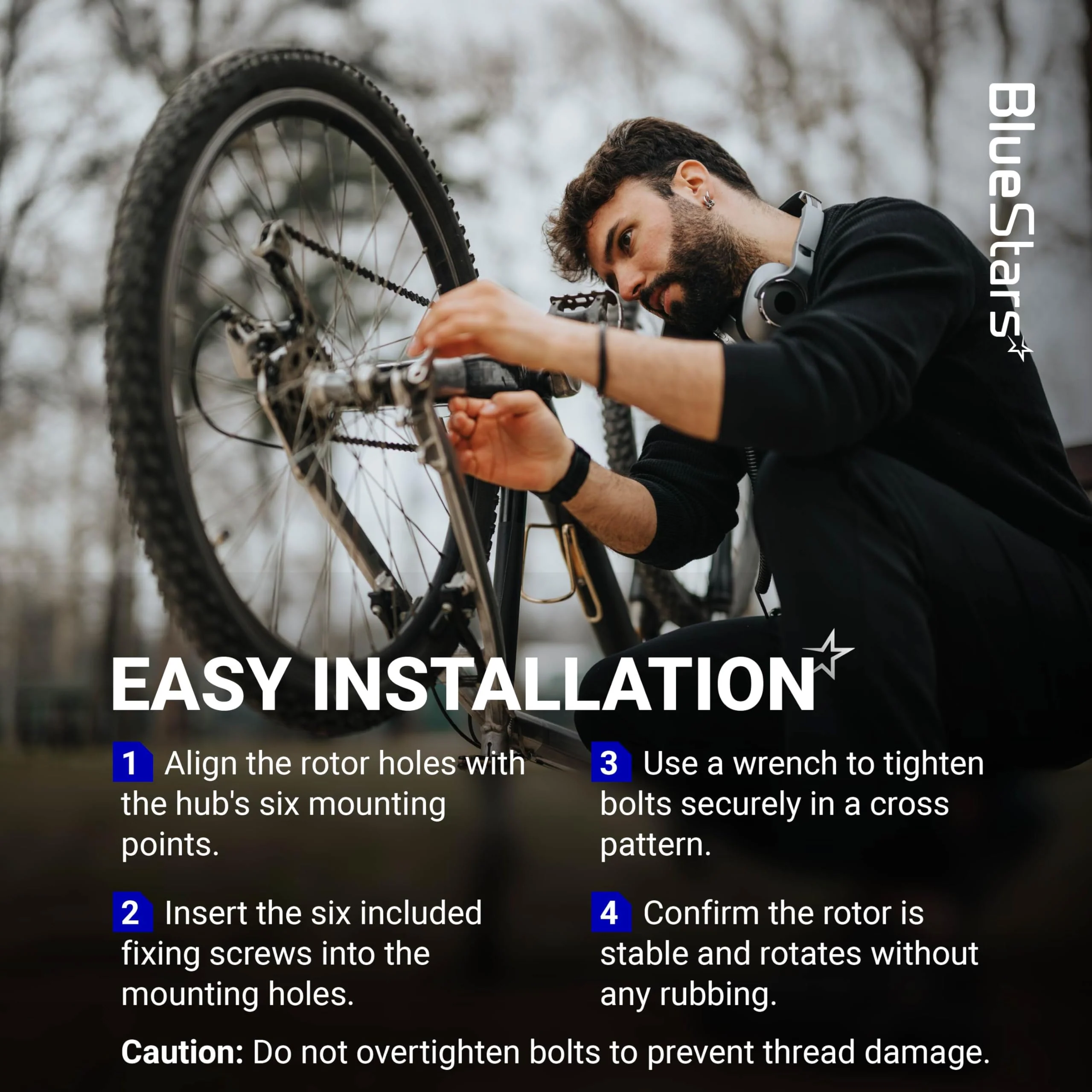
- Bolt Tightening Pattern: To prevent warping, tighten the 6 bolts in a "star" pattern (1-4-2-5-3-6). Do not tighten them in a circular sequence.
- Torque Specs: Most rotor bolts require a specific torque (typically 4–6 Nm). Over-tightening can strip the hub threads or snap the bolts.
- Thread Locker: Ensure the included bolts have pre-applied blue thread-locker (Loctite), or apply a small drop yourself to prevent the bolts from vibrating loose.
- Bed-In Procedure: After installation, perform 10–15 controlled stops from moderate speed to "marry" the brake pad material to the rotor surface for maximum stopping power.
$13.31
160mm Disc Brake Rotor Stainless Steel Bike Disc Brake Rotor with 6 Bolts - ForRoad Bike Mountain Bike MTB BMX—
$13.31
Description
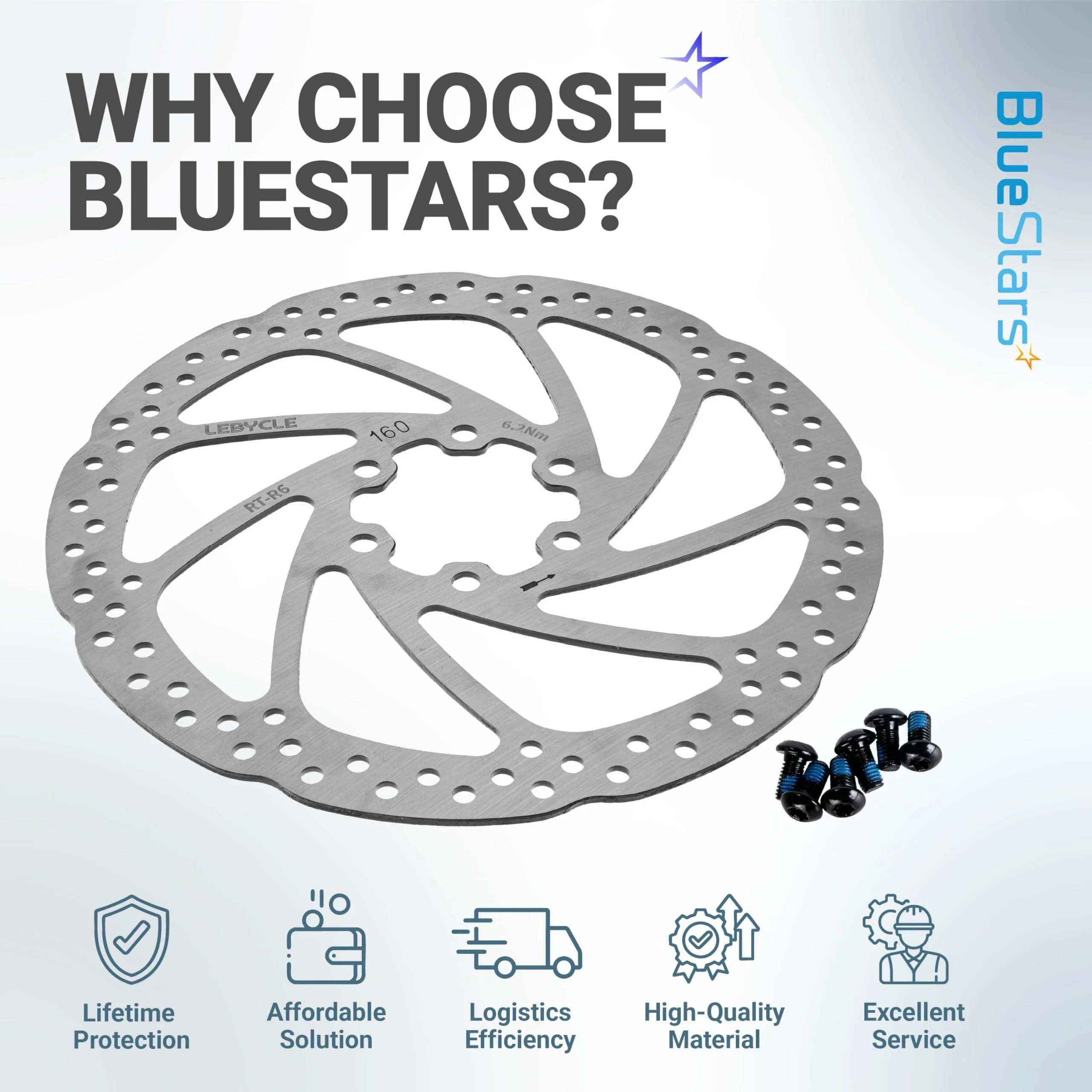
160mm Stainless Steel Disc Brake Rotor (6-Bolt)
Key Features
- High-Grade SUS410 Stainless Steel: Manufactured from premium heat-treated stainless steel for excellent anti-corrosion properties and high-strength durability under heavy braking.
- Advanced Heat Dissipation: Features a specialized "skeleton" or ventilated pattern that increases surface area to quickly dissipate heat, preventing "brake fade" on long descents.
- Universal 6-Bolt Mounting: Engineered with a standard 44mm bolt circle diameter (BCD), making it compatible with the vast majority of mountain bike and road bike disc hubs.
- Precision Ground Surface: The friction surface is double-sided ground to a mirror-like finish to ensure immediate pad engagement, reduced noise, and a shorter "bed-in" period.
- Lightweight Wave Design: The outer wave edge helps shed mud, water, and debris quickly while reducing the overall rotating mass of the wheel.
Replaces / Cross-Reference Part Numbers
- Standard 160mm 6-Bolt Rotor
- SM-RT56 / SM-RT26 Equivalent
- Tektro / Avid 160mm Replacement
- ISO 6-Hole Disc Brake Plate
Compatibility & Fitment
This rotor is a universal component compatible with most modern disc-brake-equipped bicycles. Key fitment details include:
- Bicycle Types: Mountain Bikes (MTB), Road Bikes, BMX, Gravel Bikes, and Electric Bikes (E-Bikes).
- Hub Compatibility: Fits all standard 6-bolt hubs. (Note: Not compatible with Shimano "Centerlock" hubs without an adapter).
- Brake Systems: Compatible with both Mechanical (cable) and Hydraulic disc brake calipers.
- Pad Compatibility: Works with Resin (Organic), Semi-Metallic, and Sintered (Metal) brake pads.
When to Replace
- Minimum Thickness Reached: Most rotors have a "Min. TH" (often 1.5mm) stamped on them. If the rotor is thinner than this, it is at risk of structural failure.
- Warping or Wobble: The rotor is physically bent and rubs against the brake pads during every wheel rotation, causing a "pinging" sound.
- Deep Scoring: Visible deep grooves or "lips" on the friction surface caused by worn-out brake pads (metal-on-metal contact).
- Discoloration: A dark purple or blue "burnt" tint on the metal, indicating the rotor has been severely overheated and has lost its tempering.
- Persistent Squealing: If cleaning the rotor with alcohol doesn't stop the noise, the metal may be glazed or contaminated with oil.
Installation Tips
- Clean the Surface: Before installation, wipe the entire rotor with 70% or higher Isopropyl Alcohol to remove the factory protective oil film. Do not touch the friction surface with bare fingers after cleaning.
- Bolt Tightening Pattern: To prevent warping, tighten the 6 bolts in a "star" pattern (1-4-2-5-3-6). Do not tighten them in a circular sequence.
- Torque Specs: Most rotor bolts require a specific torque (typically 4–6 Nm). Over-tightening can strip the hub threads or snap the bolts.
- Thread Locker: Ensure the included bolts have pre-applied blue thread-locker (Loctite), or apply a small drop yourself to prevent the bolts from vibrating loose.
- Bed-In Procedure: After installation, perform 10–15 controlled stops from moderate speed to "marry" the brake pad material to the rotor surface for maximum stopping power.